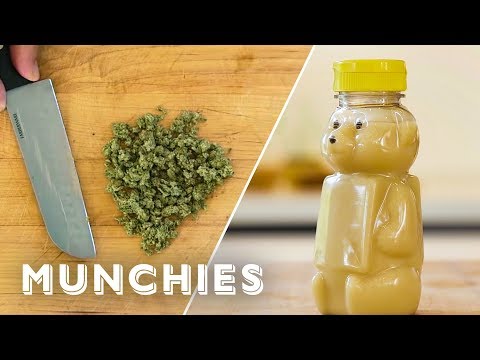
KINGSIZE live at the Mary Jane Berlin: in this episode, we show how to make cannabis extracts yourself – from flower to finished concentrate. This comprehensive guide covers rosin pressing, cannabutter production, dry sift, and everything in between.
DIY Extraction: Why It Matters
Extracts are becoming increasingly popular – and you don't need a lab for the most accessible methods. In this episode, we demonstrate rosin press and dry sift – two solventless methods that work safely at home. We also cover cannabutter for edibles production, giving you three distinct extraction pathways depending on your equipment and goals.
Understanding extraction fundamentally changes how you interact with cannabis. Rather than consuming a single product, you become able to work with the full range of cannabinoids and terpenes in ways that flower-only consumption cannot achieve. Concentrates also offer dosing precision that dried flower cannot match – particularly relevant for medical users.
Extraction Methods Compared: Rosin vs. BHO vs. Butter
| Method | Equipment Needed | Yield | Safety | Terpene Preservation | Best For |
|---|---|---|---|---|---|
| Rosin Press | Rosin press or hair straightener | 10–25% | Very high (no solvents) | Excellent | Home producers, quality focus |
| BHO (Butane Hash Oil) | Closed-loop extraction system | 15–30% | Low if improvised | Good (purged well) | Commercial scale only |
| Cannabutter | Stove, saucepan, cheesecloth | Variable (potency) | Very high | Low (heat degrades) | Edibles, beginners |
| Dry Sift (Kief) | Mesh screens | 5–15% | Very high | Good | Simple, versatile |
| Ice Water Hash | Bubble bags, ice | 8–20% | High | Excellent | Premium quality home production |
Rosin Pressing: Step-by-Step Guide
Rosin is the simplest form of high-quality concentrate production. Heat and pressure extract the resin from the flower without any chemical solvents. The result is a full-spectrum extract that preserves terpene character better than most other methods.
Equipment
- Rosin press (hydraulic or pneumatic, 2–12 ton capacity) OR hair straightener for small batches
- Rosin bags (25–90 micron mesh, depending on starting material)
- Parchment paper (non-stick, not wax paper)
- Collection tool (dabber or scraper)
- Heat-resistant gloves
- Scale for accurate dosing
Material Preparation
Starting material quality directly determines rosin quality. Options in order of preferred yield and quality:
- Bubble hash / ice water hash: Best yield, most complex rosin. 15–25% return.
- Dry sift / kief: Excellent yield from concentrated trichomes. 12–20% return.
- Premium dried flower: The most accessible option. 10–18% return from high-quality flowers.
Temperature and Pressure Settings
- Low-temp rosin (60–75°C / 140–167°F): Maximum terpene preservation, lighter colour, more liquid consistency. Slower extraction; may require 60–90 second press time. Preferred for connoisseur consumption.
- Mid-temp rosin (80–95°C / 176–203°F): Balanced yield and terpene preservation. Most common setting for flower rosin. 45–60 second press. The recommended starting point for beginners.
- High-temp rosin (100–120°C / 212–248°F): Maximum yield, some terpene loss, darker colour. 30–45 second press. Useful when quantity is the priority.
Step-by-Step Process
- Preheat press plates to target temperature. Allow 10 minutes for temperature to stabilise.
- Weigh starting material. 3.5g (eighth) is a good starting amount for calibration.
- Place material in rosin bag. Leave headspace – overfilling causes blowouts.
- Fold parchment paper into a pouch; place the bagged material in the centre.
- Apply light pre-pressure (10–20% of maximum) for 5–10 seconds to pre-warm the material.
- Apply full pressure and hold for the target duration (see temperature guide above).
- Release pressure. Remove parchment immediately and allow to cool for 60 seconds before collecting.
- Scrape collected rosin from parchment and consolidate. Refrigerate briefly (15 minutes) for easier handling.
Troubleshooting
- Blowout (material exploding from bag): Reduce fill amount, use a finer mesh bag, or apply pressure more gradually.
- Low yield: Increase temperature slightly or extend press duration; check starting material quality.
- Green/dark colour: Temperature too high or press time too long; reduce both and retry.
- Too runny to collect: Refrigerate for 20 minutes; use a scraper tool while still cold.
Cannabutter: Complete Step-by-Step Guide
Cannabutter is the foundation of cannabis edibles. The process infuses cannabinoids into butter fat, which then carries them into any recipe. Unlike rosin, cannabutter involves heat that degrades terpenes – the flavour profile of the starting flower is largely irrelevant for butter production.
Decarboxylation (Essential First Step)
Raw cannabis contains THCA, not THC. THCA is non-psychoactive. Decarboxylation converts THCA to THC via heat:
- Preheat oven to 110–115°C (230–240°F)
- Grind cannabis to medium consistency (not powder)
- Spread evenly on a baking sheet lined with aluminium foil
- Bake for 30–40 minutes, stirring gently halfway through
- Cannabis should be golden-brown, not dark; remove before it begins to smell burnt
- Allow to cool before infusion
Cannabutter Infusion
Ratio: 7–10g decarboxylated flower per 225g (one cup / two sticks) of unsalted butter. Adjust based on desired potency.
- Combine butter and 240ml water in a medium saucepan over very low heat. The water prevents burning and is separated later.
- Once butter is melted, add decarboxylated cannabis. Stir to combine.
- Maintain temperature at 70–85°C (160–185°F) for 2–3 hours. Do not boil – high heat destroys cannabinoids. Use a thermometer.
- Stir every 15–20 minutes.
- After infusion, pour mixture through a cheesecloth-lined strainer into a glass container. Squeeze the cheesecloth to extract all liquid. Discard plant matter.
- Refrigerate overnight. The butter solidifies on top; the water separates below. Remove butter layer and discard water.
- Store butter in refrigerator (2–3 weeks) or freezer (6 months).
Dosing Guidelines
Cannabutter potency varies significantly based on starting material THC% and infusion efficiency. As a rough guide: one teaspoon (5g) of butter made from 10g of 20% THC flower contains approximately 15–20mg of THC (assuming 75–80% infusion efficiency). Start with small portions (half teaspoon or less in a recipe serving) and wait 90–120 minutes before re-dosing.
Dry Sift (Kief): Simple Home Method
Dry sift is the simplest way to collect trichomes without heat or liquid. The result – kief – can be consumed directly, pressed into hash, or used as starting material for rosin.
- Equipment: Two or three mesh screens with progressively finer micron ratings (150μm, 73μm, 25μm)
- Material: Dry, cured flower or trim. Material should be cold (refrigerator or brief freezer treatment) for better trichome separation.
- Process: Place material on the first (coarsest) screen. Gently agitate in a circular motion. Kief falls through; plant material remains above. Pass kief through progressively finer screens for purer product.
- Quality indicator: Light golden or blonde colour indicates high purity; green indicates plant material contamination from over-agitation.
Safety Warnings
- BHO at home is dangerous: Butane is highly flammable and heavier than air. DIY BHO has caused fires and explosions. Do not attempt without professional closed-loop equipment in a properly ventilated facility.
- Edibles dosing: Effects are delayed (30–120 minutes) and longer-lasting than inhaled consumption. Overconsumption of edibles is the most common cause of cannabis-related emergency visits. Start low, go slow.
- Temperature monitoring: Both rosin pressing and cannabutter require accurate temperature control. Thermometers are essential equipment, not optional.
- Storage: Keep all concentrates and infused products away from children and clearly labelled. Cannabis butter looks identical to regular butter.
- Legal context: Home extraction laws vary by jurisdiction. This guide is educational; check applicable regulations before proceeding.
External Resources
- Leafly: Complete Rosin Pressing Guide – beginner to advanced
- Leafly: Cannabutter Step-by-Step Guide
- Seedsman: Quality genetics for home cultivation and extraction